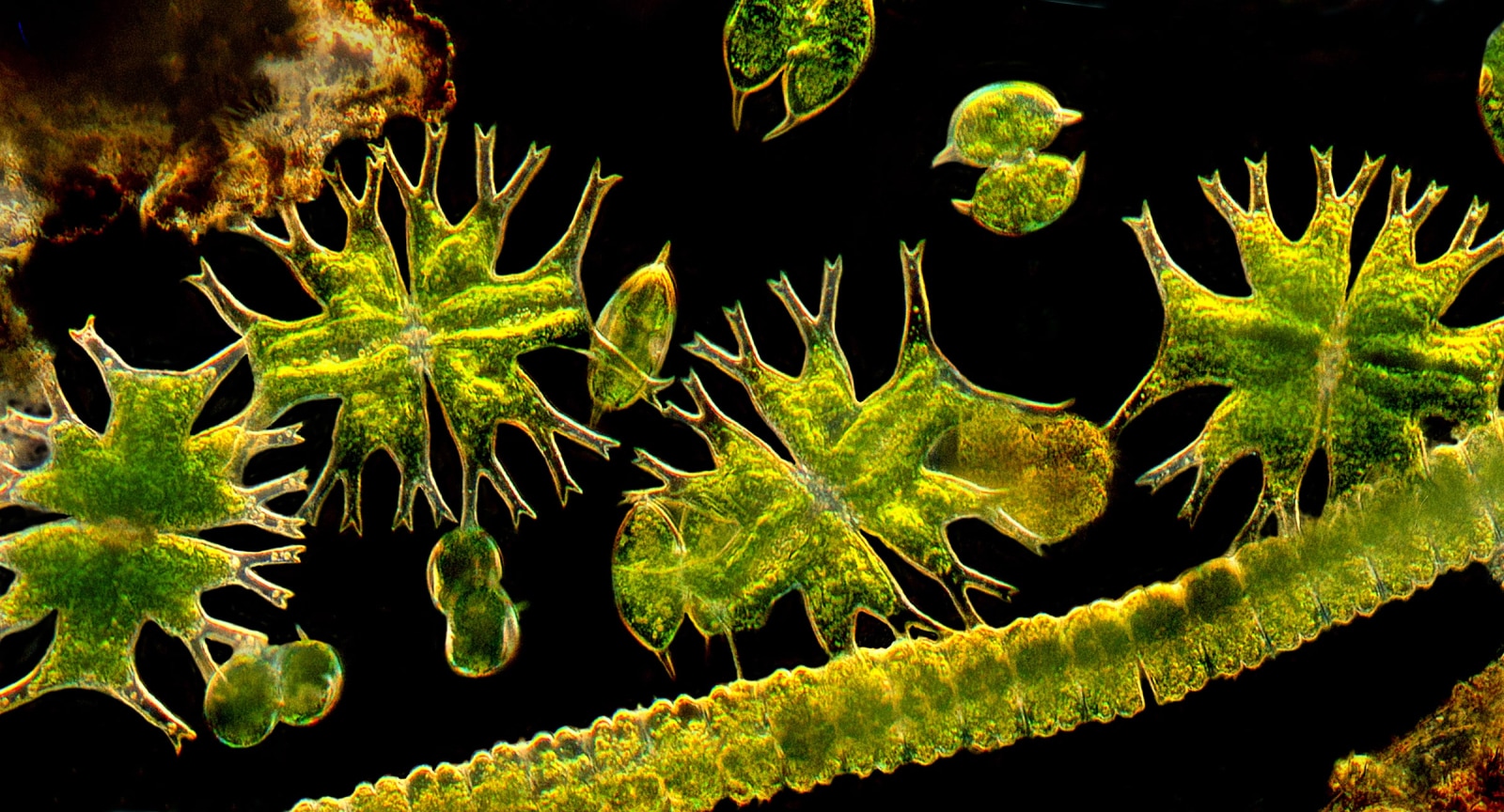
The MSA Education Outreach Committee (EOC) supports various programs and initiatives that advance the use of microscopy as a transformative educational tool, aiming to foster curiosity and support scientific engagement across diverse audiences.
Learn more about the various programs and initiatives that the EOC sponsors below, or contact educationoutreach@microscopy.org for opportunities to get involved.
Coming Soon!
We are currently developing this page and expanding our e-learning offerings. The resources and initiatives outlined below are in progress and will be available in the future. Please check back for updates as we continue to build a comprehensive and accessible platform for the microscopy community!
Short-term Objectives & Goals:
The EOC's E-learning Subcommittee is focused on formalizing and standardizing E-learning infrastructure while consolidating and organizing existing MSA digital assets into a more coherent and functional system. Immediate priorities or short-term goals include:
- Establishing standardized E-learning structures and LMS pilot project (templates, e.g., confocal microscopy),
- Identifying and curating current resources (e.g., video libraries, certification materials, and training modules), and
- Improving navigation and user experience of the MSA website
Long-term Objectives & Goals:
Strategically, the subcommittee seeks to build a fully integrated, scalable, and academically rigorous e-learning ecosystem for MSA. This includes:
- Implementing a centralized LMS with unified pedagogical frameworks, structured learning pathways (academic, technical, industry, and general public tracks), and tight integration between education, certification, and professional development,
- Establishing formal governance and quality assurance/control systems, embedding data analytics for continuous improvement, and developing sustainable faculty development programs,
- and institutionalizing E-learning within MSA as a high-quality, standards-driven platform that supports lifelong learning, external benchmarking with peer societies, and potential accreditation or certification alignment with broader professional frameworks.
Who is MSA E-learning for?
Our E-learning initiative is built to serve the microscopy community, with content available for many audiences:
-
K-12, Students and Educators
Microscopy curricula for easy implementation in lesson planning across grade levels, based on each state’s science teaching standards -
Standalone Content for Entry-Level/Basic/Introductory/Foundational Users
How to describe the microscopy techniques used, including sample preparation and experimental conditions -
Longer-Form Content for Advanced Users
More in-depth knowledge of the theory and hands-on experience or skills -
Instrument Operators
Instrument maintenance and troubleshooting
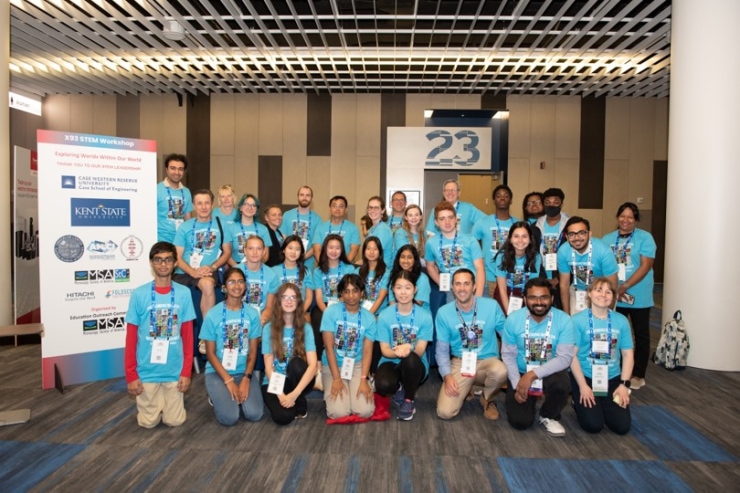
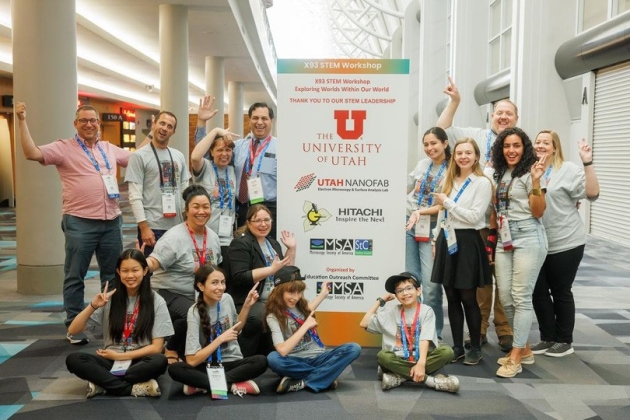
X93: Cultivating STEM Networks - A Workshop for Local Leaders, Students, and Educators
X93 is a two-day initiative leveraging the M&M hosting city to bring together local STEM leaders, students, and educators for immersive experiences in advanced microscopy techniques.
What students will engage in:
-
Discover the Microcosm
Get hands-on experience using cutting-edge microscopes to explore materials and biological samples at the nanoscale -
Engage with Scientists and STEM Leaders
Interact with researchers, industry professionals, and peers who share a passion for science and discovery -
Attend the M&M National Conference
Tour the exhibit floor and explore state-of-the-art microscopy tools used in top research labs and industries
Why students would be interested:
- Explore state-of-the-art microscopy techniques and apply classroom knowledge to practical scenarios
- Engage with STEM professionals and gain exposure to diverse career paths in microscopy, research, and industry
- Participate in the M&M National Conference, attend presentations, and view cutting-edge research projects
- Explore real-world applications of classroom science through interactive labs and professional environments
- Learn from and network with STEM professionals, including scientists, engineers, and educators
- Discover exciting career paths in research, materials science, biology, engineering, and beyond
- Participate in a prestigious national conference where groundbreaking scientific work is presented
Why teachers would be interested:
- Connect with a national network of STEM educators and researchers for collaboration and professional growth
- Gain hands-on experience with advanced microscopy techniques to integrate into your curriculum
- Offer your students an opportunity to explore real-world applications of STEM concepts, fostering curiosity and career interest
- Learn about tools, resources, and programs available through the Microscopy Society of America Education Outreach to support your teaching
- Contribute to a growing national initiative aimed at strengthening STEM education and outreach
What is the Sandbox?
Project MICRO, in collaboration with The McCrone Group, hosts the Project MICRO Sandbox - a collection of sand from around the world. The Sandbox was created from donations from thoughtful people who live in or have visited the far reaches of our planet.
Free sand samples are available to any educator planning to explore with sand as an educational tool!
Request Sand
Use the buttons above to download a list of our sand collection or to submit a request for sand samples!
Like any beach, the Sandbox is constantly shifting as samples are depleted and replenished with new donations. So, please be aware that some samples may not be available when making your request.
Donate Sand
Sand donations are what keep the Sandbox full! Please consider adding a sample to help this effort. All donations are appreciated and will be shared with many educators.
Sending Your Sand: Packaging
Sand donations should be sent via a resealable bag (e.g., a Ziploc sandwich bag), half full and placed inside of a second, similar bag. Sandwich-size bags are our preferred
volume - but if you want to donate a larger amount, please feel free to do so.
Sending Your Sand: Documentation
Please make sure to include documentation of the sand collection location alongside your sand! You can refer to our sand collection list for the kind of
information we'll need.
Sending Your Sand: Mail To
Please mail your sand donation to the following address:
SANDBOX
Charles Zona
The McCrone Group
850 Pasquinelli Drive
Westmont, IL 60559
Share Your Stories!
We'd love to hear your stories and photos of your sand exploration! All our stories are posted on the McCrone Group's website in the Sand Gallery.
To submit a highlight of your activities, please fill out our form here: Share Your Classroom Stand Story.
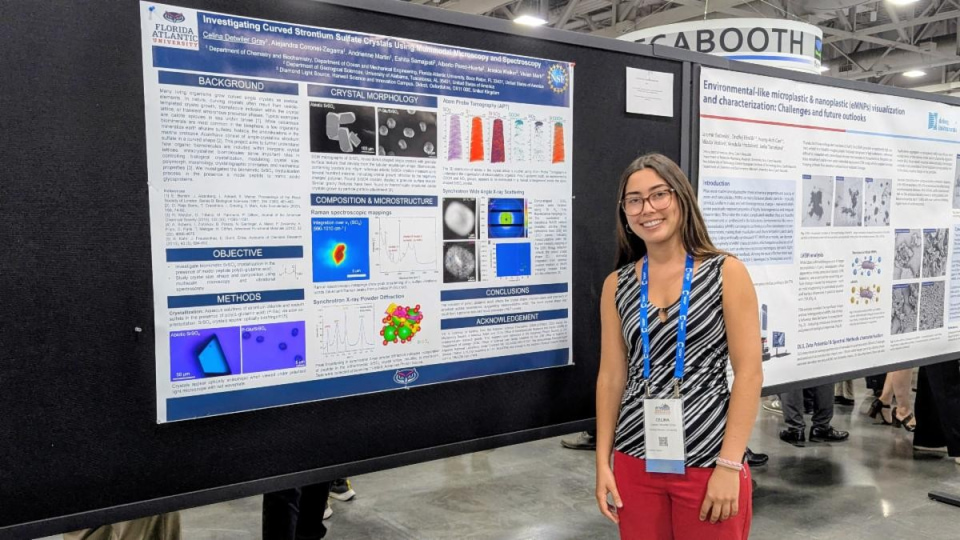
The Microscopy Society of America (MSA) encourages you to apply for its Undergraduate Research Scholarship Award.
The program, which has provided funding for undergraduate research for over 25 years, is intended to foster the educational and research potential of full-time undergraduate students interested in pursuing microscopy as a career or major research tool. Applications for research involving any area of microscopy are suitable for the program.
The scholarship can, in tandem with the student's sponsoring institution, help support expenses such as student stipends, supply costs, and travel expenses associated with research.